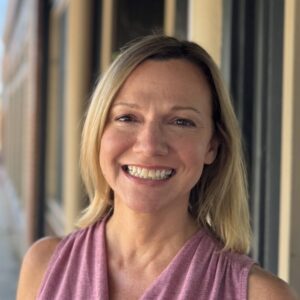

As an estate planning lawyer at Kokish, Goldmanis, & Greenberg, I’ve spent almost a decade helping families in Colorado navigate the world of estate planning. Many people hesitate to start this process because it seems complicated or unnecessary. In this post, I’ll address some of the biggest misconceptions about estate planning, wills, and trusts, using insights from my experience. Whether you’re just starting to think about your plan or reviewing an existing one, being aware of these misconceptions can help you make informed decisions. If you’re ready to discuss your situation, schedule a free consultation with someone on our team.
Misconception 1: Estate Planning Is Only for the Wealthy
The biggest misconception about estate planning is that it is only for the wealthy. Nothing could be further from the truth. Everyone over the age of 18 should have some kind of estate plan. This is true whether you are single, married, have kids, or have no kids.
One aspect of estate planning is deciding who will receive your property when you die. If you don’t decide this while you are alive, there are laws in the State of Colorado which dictate where your property will go. This is true whether you have $100 in the bank or $1,000,000.
An equally important part of estate planning is deciding who will make decisions for you if you cannot make them for yourself for whatever reason. These decisions include:
- Who will pay your bills and handle your finances if you are unable?
- Who will make healthcare decisions for you if you cannot speak or communicate your wishes on your own?
- How do you want to be treated in the hospital if you are at the end of your life and can no longer communicate with your doctors due to incapacity?
- How do you want your body to be treated when you pass way?
- If you have young children, who is authorized to care for them if you are unable to either on a temporary or long-term basis?
Estate planning goes beyond money—it’s about protecting your loved ones and ensuring your wishes are followed during incapacity or after you’re gone.
Misconception 2: One Document Can Handle All Asset Protection
Another misconception is that one document can do all the work for asset protection. While you can build into your estate plan by creating a trust, which can provide your loved ones with some protection against creditors, there are other components of an estate plan that must be handled by non-legal professionals. For example, insurance is often a critical component of making sure your estate plan works. A comprehensive estate plan includes having adequate insurance for your car, adequate insurance for your home, excess liability insurance if you’re in a very risky profession, and an umbrella policy. Having a discussion with your insurance agent is always recommended as part of your overall plan.
Tax professionals can also play a critical role in a person’s estate plan. Estate planners often recommend that you coordinate with your accountant or CPA when determining the best way to own property, structure gifts to family members, and name beneficiaries of retirement accounts.
Your will and trust alone won’t necessarily shield you and your family from lawsuits and creditors. Experienced estate planning lawyers understand that a comprehensive approach often includes coordinating with insurance agents and other professionals to make your plan work.
In our practice, we always emphasize building a complete strategy.
Misconception 3: AI Can Create My Estate Plan for Free
While Artificial Intelligence can serve as a way to educate yourself about the estate planning process, it is not a substitute for experienced legal counsel. Part of an estate planning attorney’s role is to sift through the unique complexities of each person’s family and design a plan that works within that family. For example, are there children from different marriages blended into one family? How does that affect where your property will go when you die? Do certain children need extra protections when the clients pass way because they are disabled or receiving government benefits? What family members or friends are a good fit for medical decision making? Which are better at handling financial affairs? Many of these questions lead to discussions that a client has never thought about. The human element in estate planning is invaluable for families that have any level of “complexity” to them.
These misconceptions have prevented many people from getting their estate plan in place, no matter how basic that plan may be. If you wish to discuss these matters in more detail with us, someone on our team at Kokish, Goldmanis, & Greenberg is happy to answer your questions in a “no-obligation” consult. We are here to guide you through estate planning tailored to Colorado laws and your unique needs.